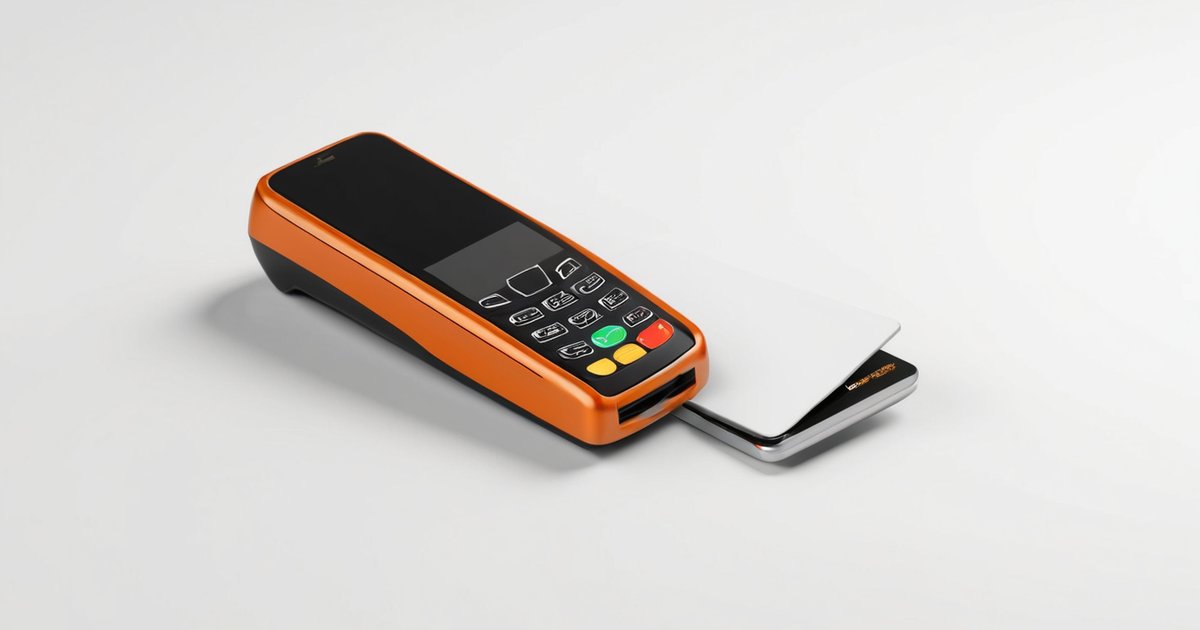
Every SME owner dreads the same thing: the goods are out and the invoice is issued, but the money hasn't landed. Plenty of businesses still run on "cash plus bank transfer" — customers have to make a special trip to the ATM and wait a day or two for the money to arrive, while you manually match which payments have come in. Electronic payments in Hong Kong are now mature enough that one terminal or a single QR code accepts every payment method, turning next-day settlement into instant arrival.
Four Mainstream E-Payments at a Glance
Hong Kong's everyday e-payments fall into four main categories, each with its own customer base:
1. Octopus — the most widely used transport and retail payment tool, with over 30 million cards in circulation. Tap-and-go in a second, ideal for small shops and street-front stores.
2. Faster Payment System (FPS) — a bank-backed, 24/7 instant transfer service. Send money by phone number or QR code, and — crucially — it's free of charge, perfect for B2B or larger-value payments.
3. PayMe — HSBC's offering aimed at younger customers, the go-to for splitting bills among friends. The merchant version charges less than credit cards and captures a group of young customers who don't want to carry cash.
4. Alipay / WeChat Pay — the mainstream for mainland visitors and tourists spending in Hong Kong; enabling them lets you take cross-border payments.
Why Switch? Three Concrete Benefits
First, faster payment. Bank transfers typically settle on T+1 (next day) or even T+2, while FPS and Octopus credit instantly — your cash flow speeds up and you stop watching your account for the money to land.
Second, lower fees. Credit card merchant fees run 2-3% plus a monthly terminal rental; PayMe merchant and FPS fees run as low as 0.5-1.2%. On $100,000 of monthly revenue, that's over a thousand dollars saved in fees.
Third, easier reconciliation. Every transaction carries an electronic record, so month-end bookkeeping no longer means flipping through a stack of receipts — and you can auto-sync with your accounting system, saving hours of manual work.
Three Steps to Get Started — Under a Week
Getting set up is straightforward, in three steps:
Step one, pick your platforms — look at what your customers already use. Octopus plus FPS covers most Hong Kong customers; add Alipay if you serve tourists.
Step two, apply for a merchant account — prepare your business registration, bank account and the responsible person's ID, submit online, and you're approved within a few working days.
Step three, install a terminal or put up a QR code — physical shops can rent an all-in-one payment terminal, while online or mobile businesses can display a QR code or send payment links.
Real Impact: A Cha Chaan Teng Example
Take a cha chaan teng doing 30 orders a day at $50 each. After switching to e-payments, money arrives instantly instead of the next day, tripling daily liquidity; fees drop from credit card's 2.5% to near-zero on FPS, saving roughly $600-800 a month; and cash-counting time falls from half an hour to ten minutes a day — about 10 hours saved every month. That reclaimed time and money is pure profit.
Summary
E-payments aren't reserved for big companies. One terminal or one QR code gets an SME paid faster, cheaper and easier to reconcile. Pick the right platforms, get your documents ready, and you can be live in under a week — with the time and cost you save going straight back into your pocket.